Table of Contents
Openly interact with your therapist concerning any problems or changes in your psychological wellness, and together, you can figure out one of the most appropriate strategy. Open up and sincere communication with your therapist is crucial when talking about the regularity of the sessions. Right here are some ideas on exactly how to efficiently connect your needs and problems: Take some time to assess your treatment experiences and how the current regularity is influencing your progress and wellness and whether you need.

Take these referrals into factor to consider and go over any appointments or worries you might have. Remember, your therapist exists to sustain you in your psychological wellness journey. By maintaining open and transparent communication, you can interact to find the frequency that ideal supports your development and wellness.
However, it's vital to recognize that the frequency of sessions can be changed based upon the customer's needs and progress. If you're battling with clinical depression and find that you want much more assistance, it's entirely practical to share your wish to see your specialist regularly. Strongly mentioning, "I desire to see my therapist regularly," throughout a session can open up the door to discussing possible changes in session frequency.
Detecting Relationship Cycles
Occasionally, customers with much more serious depression or that often have ideas of suicide or self-harm might profit from DBT. When you're taking part in DBT you commonly will have an once a week individual treatment session, an once a week 2 hour group abilities training session and some coaching calls with your therapist. That's a larger time commitment yet is an incredibly effective means to deal with depression.
We are devoted to supplying the level of care that ideal supports your trip toward boosted psychological health and health. Treatment regularity is a critical facet of mental wellness therapy, and it's crucial to locate the ideal balance that suits your special demands. While therapy every 2 weeks can be appropriate for some individuals, it might not give the essential support and development for others.
It is very important to keep in mind that therapy is not one-size-fits-all, and the optimal regularity of sessions can vary substantially from one person to another. For some, treatment every 2 weeks might be sufficient, particularly when they are in a steady phase of their treatment trip. This frequency permits even more extended durations of self-reflection and technique of the abilities discovered in therapy.
Attainable Support around Arlington, VA

During this moment, the frequency of sessions may need to be adjusted based upon your development and developing requirements. In many cases, treatment as soon as a week isn't sufficient to attend to intricate mental health and wellness conditions or severe symptoms. As an example, individuals taking care of injury or severe anxiety might benefit from even more regular sessions to guarantee constant support and sign monitoring.
Do not hesitate to connect and have an open conversation with us regarding your treatment frequency. With each other, we can determine the best method to support your psychological wellness and health efficiently. Take that very first step toward a brighter future by contacting us today. Call Aspire Counseling or connect online to start with a cost-free assessment.
At Aspire Therapy, we're right here to guide you every action of the means.
Navigating the Foundational Problems of Psychological Distress
Therapy regularity isn't one-size-fits-all. Just how often you need to most likely to treatment depends upon your personal goals, mental health condition, and the kind of treatment session you're participating in. The majority of people begin with regular treatment sessions, however over time, that cadence can shift. Whether you're looking for support for stress and anxiety, depression symptoms, trauma, or connection problems, the ideal session frequency plays a vital function in your therapy trip.
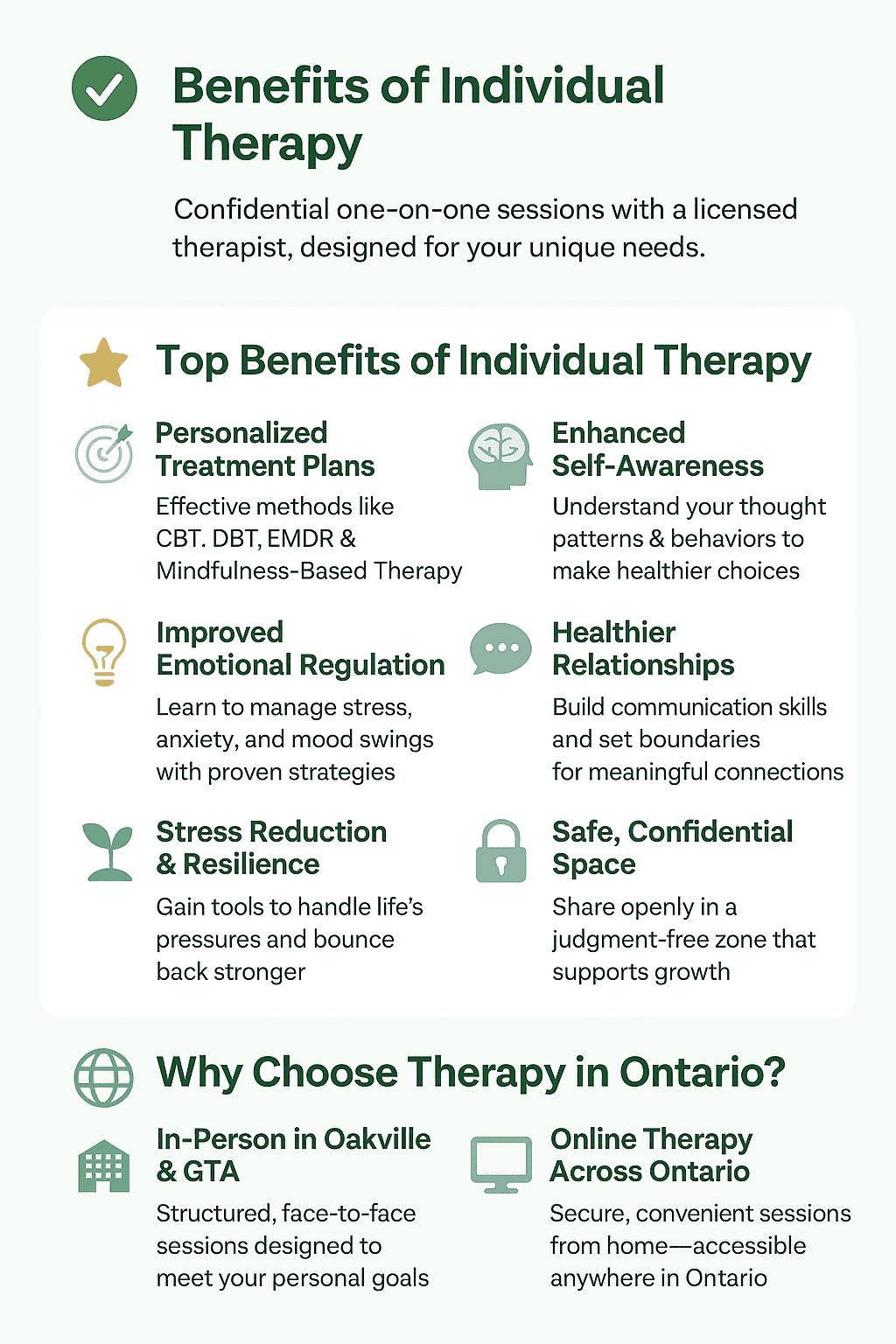
When you're addressing a significant psychological ailment, discovering psychological guideline abilities, or functioning through major life modifications, once a week visits develop framework and energy. As your symptoms maintain or objectives change, you may shift to bi-weekly sessions or even a month-to-month session. These less frequent check-ins can still supply responsibility and space for representation, particularly when therapy is part of a wider self-care or healthcare routine.
Therapy is most efficient when it's constant. The speed of your sessions straight affects how promptly and deeply you can refine your feelings, develop understanding, and make behavior modifications.
Bi-weekly sessions provide more versatility and are commonly made use of after initial development has been made. This regularity may appropriate for people who are in a more stable location or are handling light signs and symptoms. That claimed, the extensive void in between sessions might restrict possibilities for real-time assistance and reduce down the pace of adjustment.
Establishing a Trusting Collaboration with Your Mental Health Provider
This is often the situation for individuals dealing with extreme depression, complex injury, or overwhelming life transitions. In these cases, constant sessions use a supporting pressure, creating room for safety and security, processing, and psychological policy. It's worth noting that this is not an extensive list. Some individuals likewise go to therapy a lot more often if they are going with relationship has a hard time or if they are participated in couples and family therapy in addition to individual therapy.
Couples treatment may also require a much more constant tempo throughout times of situation or problem to reconstruct depend on and interaction. A regular monthly session can be reliable for those in upkeep modepeople that have completed the more extensive component of their therapy trip and now look for periodic check-ins to remain grounded.
Therapy frequency should progress with you. Many people begin with weekly treatment sessions to develop relationship and energy.

Navigation
Latest Posts
Frequently Asked Questions About Depth Psychology for Intake and Assessment Services
A Heart of Trauma-Informed Couples Work
Building a Balanced Connection with Exercise